Five Independent SOuls:
The Signers from New JErsey
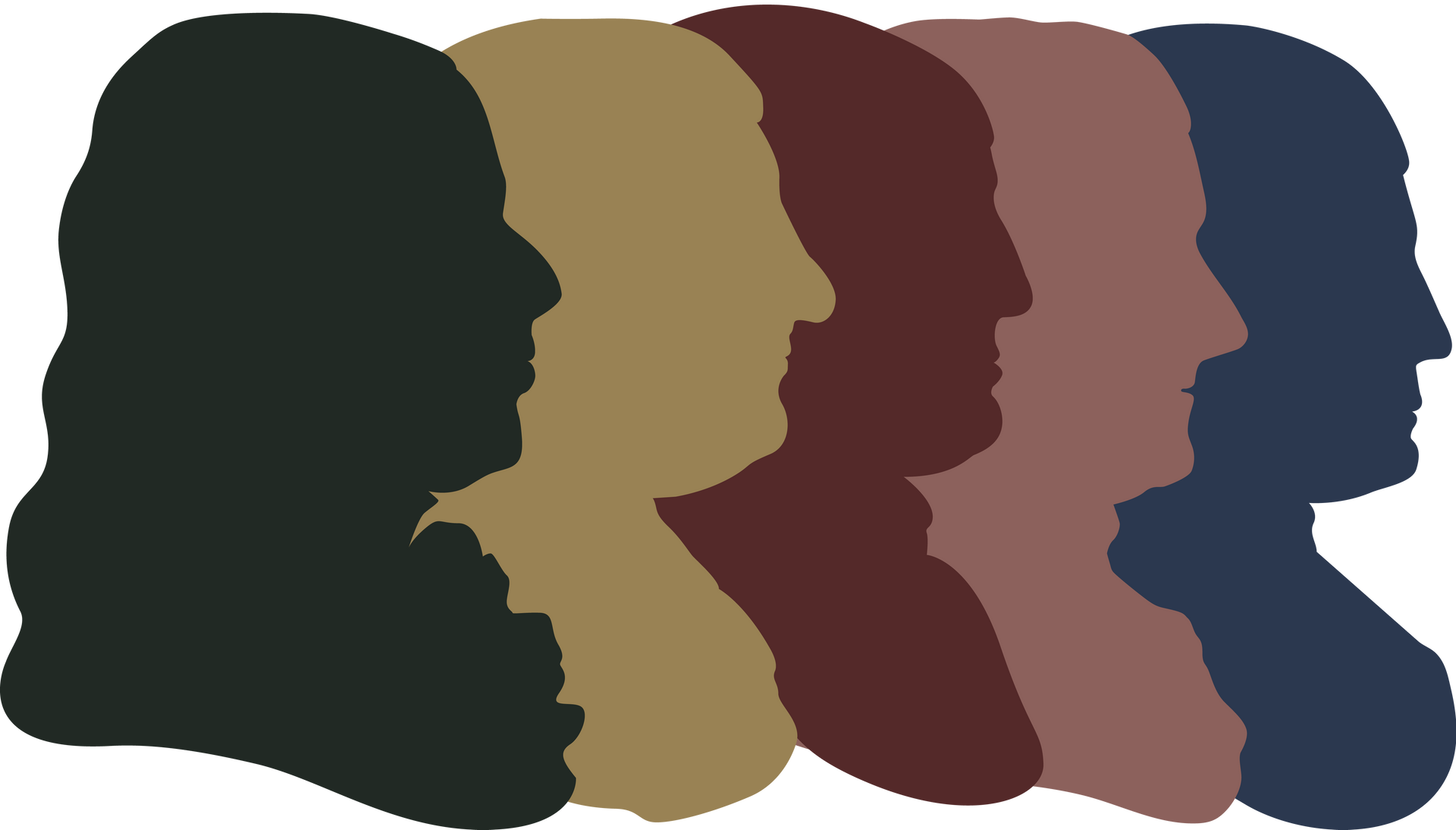
John Hart. John Witherspoon. Abraham Clark. Francis Hopkinson. Richard Stockton.
In June 1776, the provincial congress of New Jersey sent five new delegates to Philadelphia with instructions to vote for independence from Great Britain. These five men were all landowners of varying backgrounds, and included farmers, lawyers, a surveyor, and a Presbyterian minister. Each was married with a large family -- among them, they fathered fifty children! They would have understood that their vote amounted to treason against the King.
Five Independent Souls explores the lives of these lesser known founding fathers, examining who they were before, during, and after the signing.
Tickets Available Now
Click below to plan your visit and purchase admission online.
“Jersey has chosen five new Members all independent Souls, and instructed them to vote on the first of July for Independence.”
—John Adams to Samuel Chase
June 4, 1776
This exhibit also confronts one of the most confounding actualities around the signers of the Declaration of Independence: these five men, who put their lives on the line for liberty, freedom, and equality, simultaneously denied these very same rights to the people they enslaved. Visitors can learn about the lives of these subjugated men, women, and children who would have witnessed conversations on freedom and equality while being held in bondage in the homes of these patriots.
As we commemorate 250 years since the nation’s founding, what can we garner from the aspirational ideals ascribed to by the signers in one of history’s most important documents?
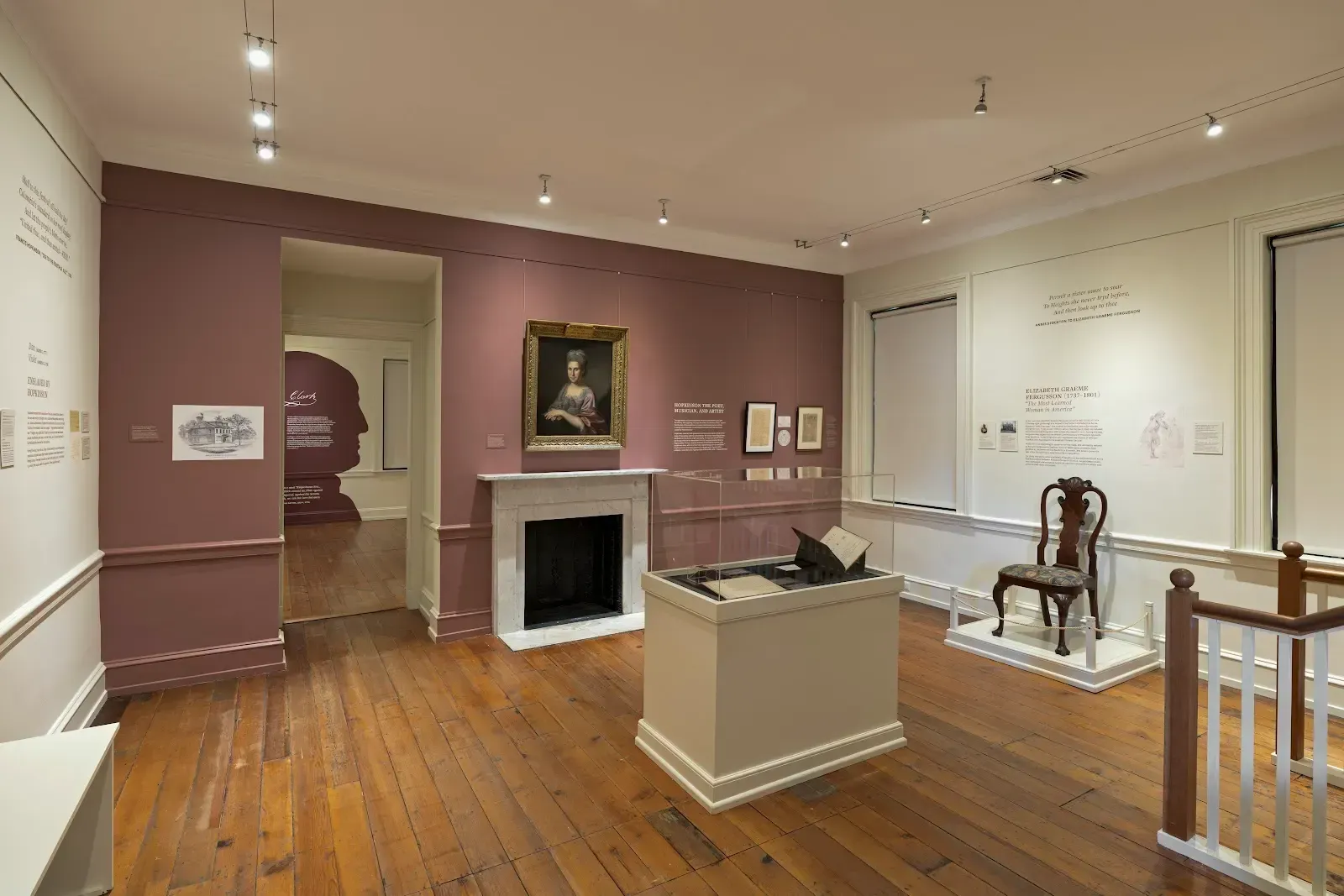
This landmark exhibit displays over 100 historic artifacts including manuscripts, paintings, furniture, and personal objects on loan from the collections of: the American Antiquarian Society; the American Philosophical Society; Atwater Kent Collection at Drexel University; The Museum of Fine Arts, Houston; Historical Society of Princeton; the Hopewell Museum; Independence National Historical Park; Museum of the American Revolution; the National Gallery of Art; Presbyterian Historical Society; Princeton University Art Museum; Princeton University Library; The Rosenbach Museum & Library; The New York Public Library; The U.S. Naval Academy Museum; Yale University Art Gallery; and numerous private lenders.
Morven Museum & Garden is the only extant home of a New Jersey signer open to the public.
Explore all of the ways that Morven and historic Princeton are commemorating America’s Semiquincentennial here.
On view through January 17, 2027.
Slide title
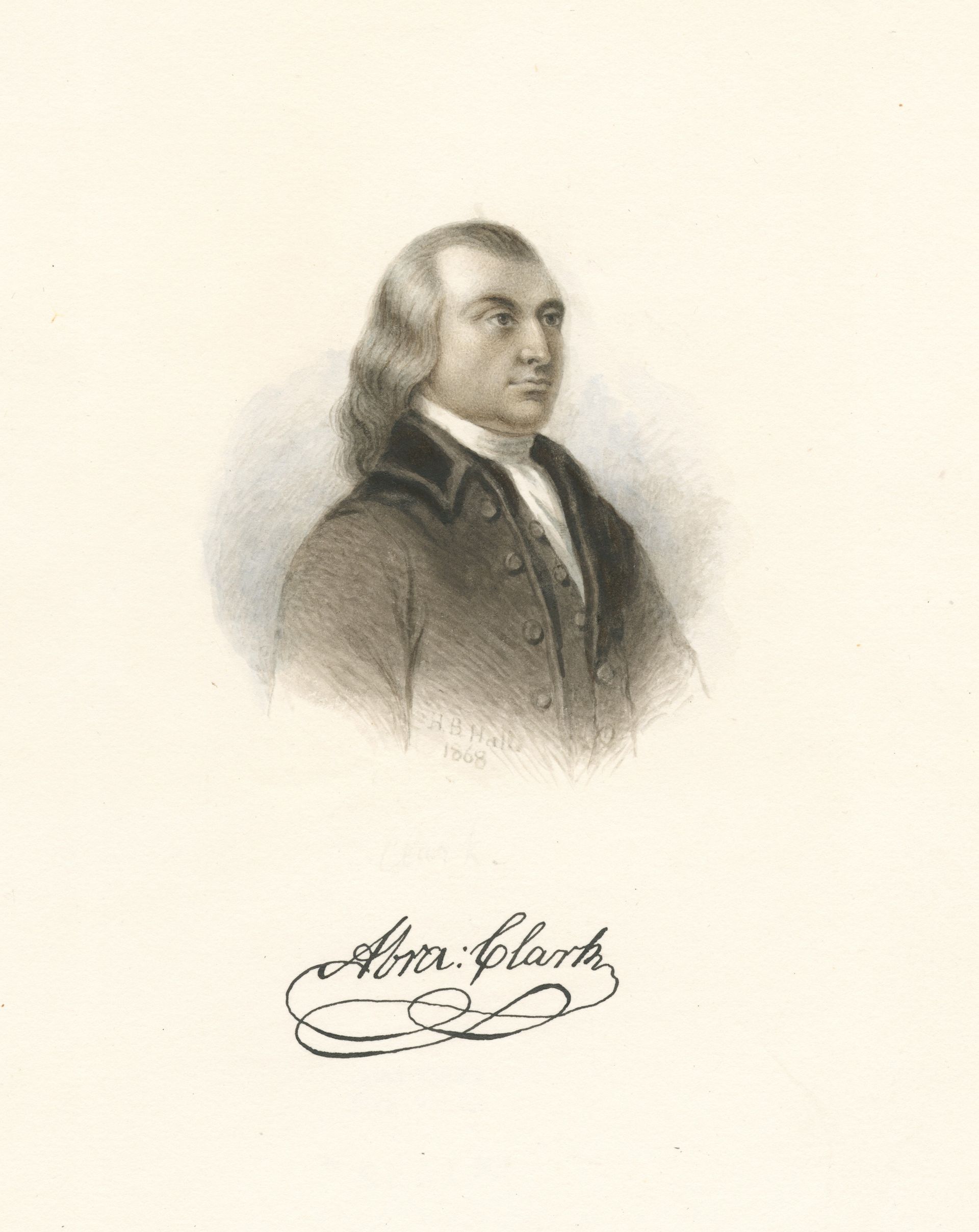
Abraham Clark, 1868–1869. Henry Bryan Hall. Print Collection, The New York Public Library.
Button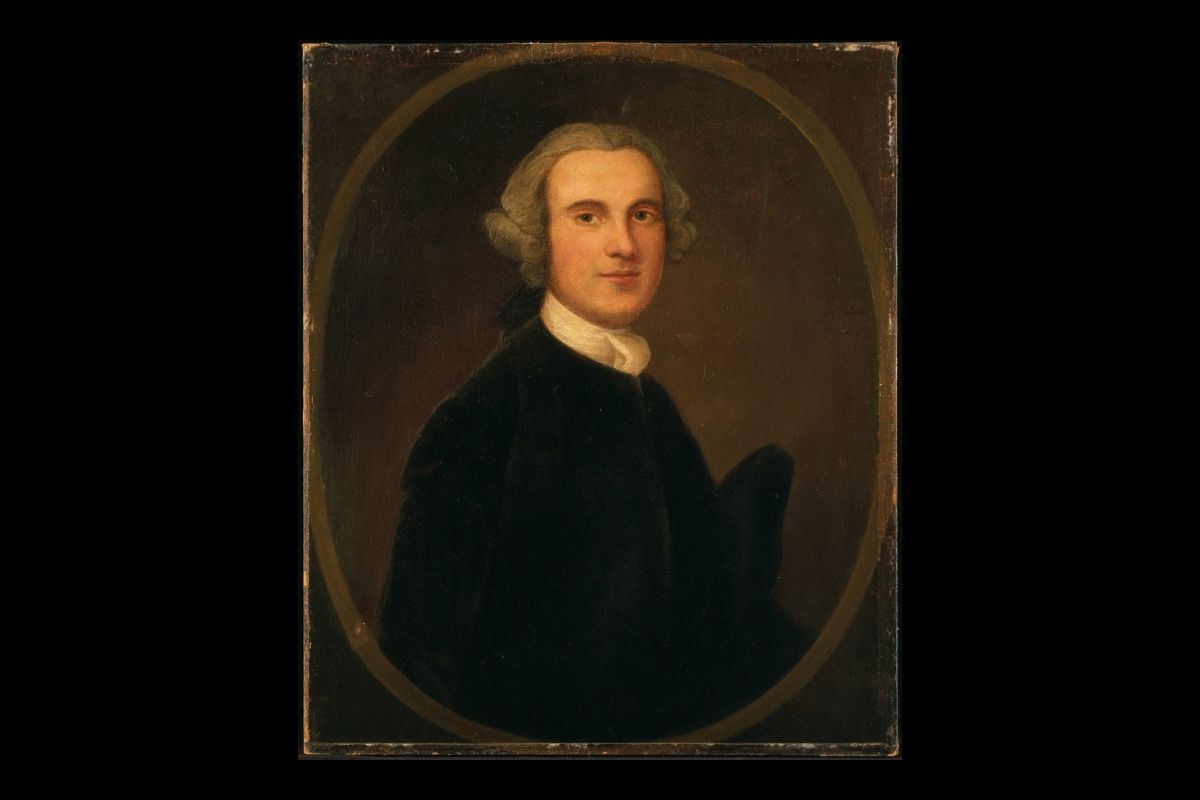
Slide title
Richard Stockton (“The Signer”), Class of 1748, (1730–1781), 19th century. Unknown artist. Oil on canvas. Princeton University Art Museum, bequest of Mrs. Alexander T. McGill.
Button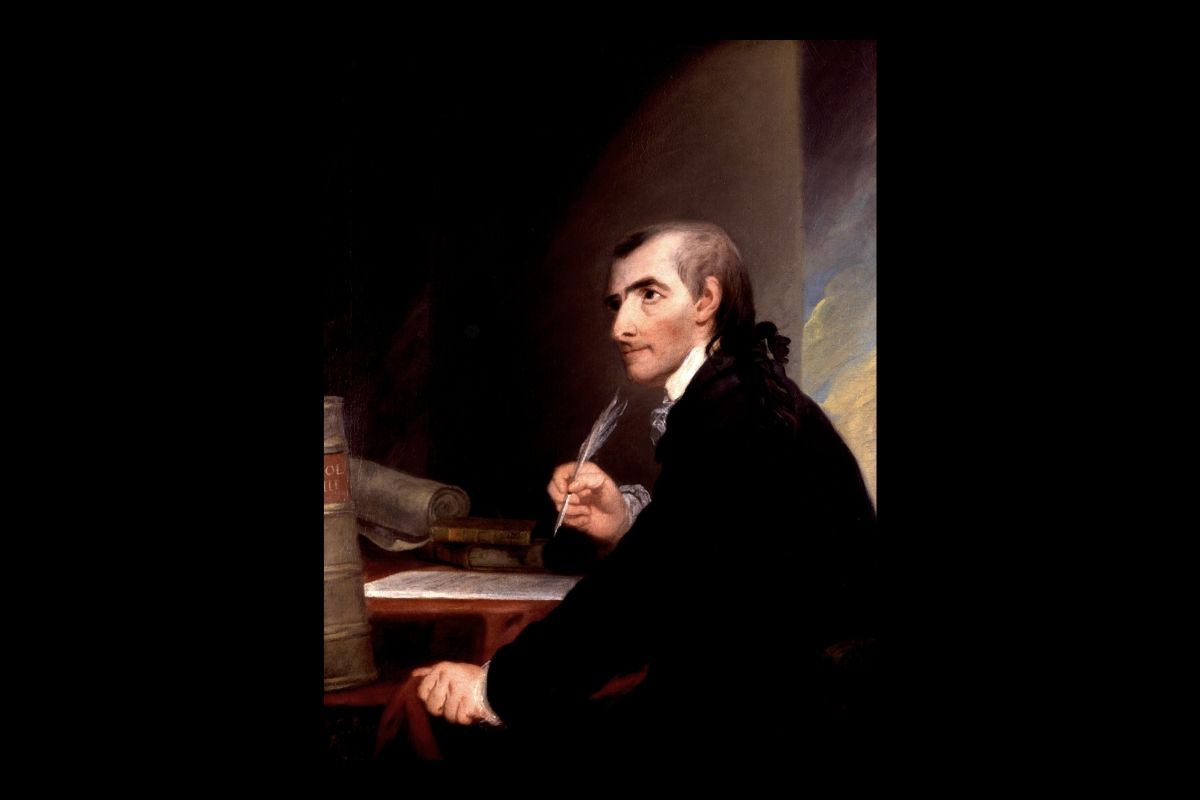
Slide title
Francis Hopkinson, 1785. Robert Edge Pine (1730–1788). Oil on canvas. Gift of Oliver Hopkinson, Historical Society of Pennsylvania/ Atwater Kent Collection at Drexel University.
Button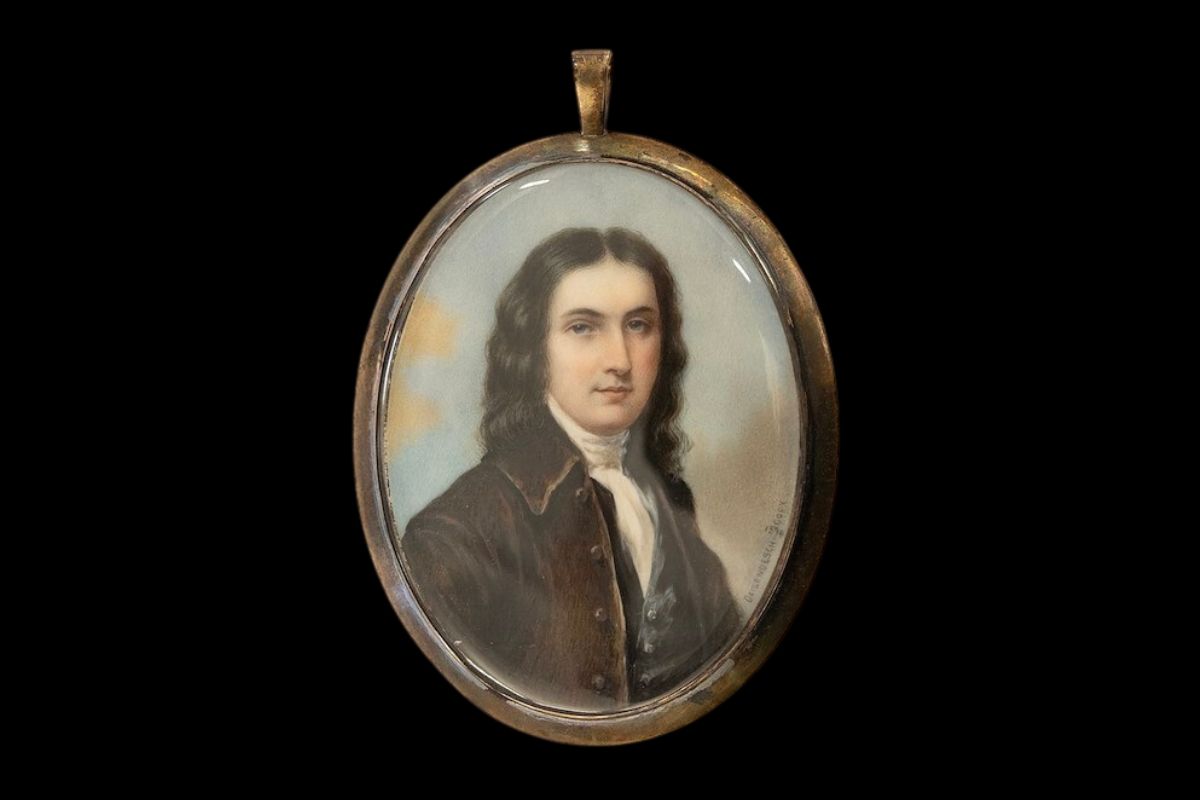
Slide title
Miniature of John Hart, 1894. Herman F. Deigendesch (1858–1921). Watercolor on ivory. Gift of Anna J. Magee, Historical Society of Pennsylvania / Atwater Kent Collection, Drexel University.
Button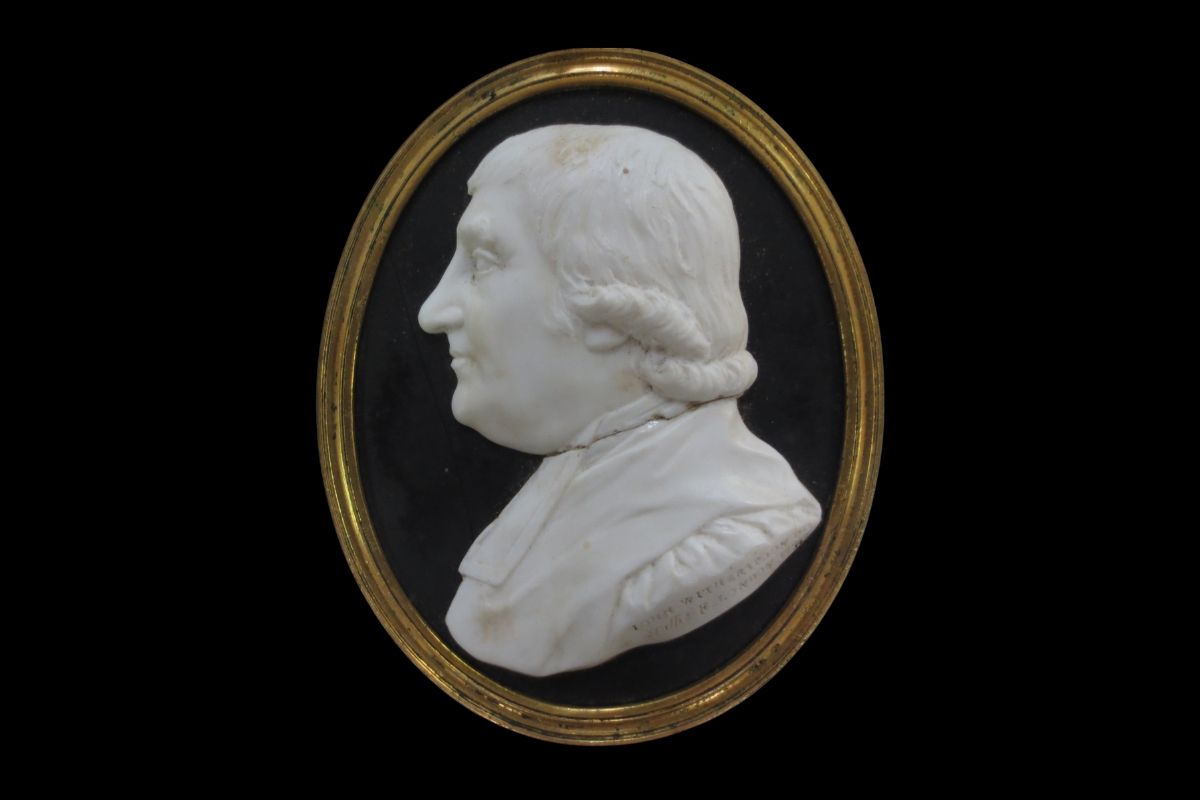
Slide title
Medallion of John Witherspoon, 1784. James Tassie (1735–1799). White glass paste. Princeton University Art Museum. Gift of Caroline Witherspoon Daniel and Caroline JoAnn Wilkins Donaldson.
Button
Some of the
many unusual and interesting pieces include a lock of John Hart's hair; John Witherspoon's tall case clock c.1760; the first American Bible dedicated "to the Readers" instead of "King James;" a flirtatious letter from George Washington to Annis Boudinot Stockton; and the August 1776 London magazine containing the full text of the Declaration, announcing the news to British readers.
Plus, original artwork by
Charles Willson Peale, Rembrandt Peale, and other renowned Revolutionary artists.
The exhibition unfolds beginning with the summer of 1776, setting the stage for the vote at Independence Hall. Visitors learn context on the indigenous Lenni-Lenape (“Original People”), and that the British Fleet have already arrived off Staten Island, raising tensions. The dramatic story of the vote and signing of the Declaration of Independence is revealed. 41 of the 56 signers enslaved people in their lifetime, and an antislavery stance did not necessarily mean a belief in equality. The deleted clauses of the Declaration and debates around slavery are examined, addressing why the “unalienable Rights” of “Life, Liberty, and the pursuit of Happiness” were deemed to apply solely to white landowning men.
From there, a gallery is devoted to each of the five New Jersey signers—Abraham Clark, John Hart, Francis Hopkinson, Richard Stockton, and John Witherspoon. The exhibition explores their lives beginning before, during, and after the Revolution, their families and important relationships, and research uncovering details on the people they enslaved.
As an American Revolutionary site, the museum itself uniquely plays a role in the exhibition. Built for Founding Father Richard Stockton in the 1750s, Morven was briefly occupied by the British after Stockton became a POW.
In an 1804 newspaper advertisement, Trenton clock and watchmaker William J. Leslie touted that he was “Not from Paris, London or Boston – But a Native of New-Jersey.” At the time, the state was home to dozens of craftsmen specializing in tall case clocks. Morven’s newest exhibition will examine the work of New Jersey clockmakers as they collaborated with cabinetmakers, ran shops, and formed professional partnerships to create beautiful timekeeping pieces.
Spanning the colonial and post-revolutionary period, clockmakers ran their shops with the assistance of apprentices and often enslaved labor. Some carried on the clockmaking tradition through several generations, often working multiple trades, including silversmithing.
This exhibition will feature over 50 tall case clocks, representing almost as many different clockmakers, from both private and public collections. These freestanding pendulum clocks are as functional as they are beautiful with faces made of intricate brass work or painted designs of objects like ships, suns, and moons. Internally, their complicated workings are mechanical masterpieces. Some even chime with contemporaneous melodies.
Striking Beauty will be the first large-scale exhibition of its kind, exploring the experiences of the artisans and apprentices, free and enslaved, who contributed to this unique craft. Explore the five-gallery exhibition to see clocks from cities and towns such as Elizabeth, Newark, Burlington, Flemington, and Salem, and more.
Lenders to the exhibition will include: Boxwood Hall, Brown University, Buccleuch Mansion Museum, Burlington County Historical Society, Gloucester County Historical Society, Hunterdon County Historical Society, Monmouth County Historical Association, Trenton Museum Society, as well as loans from numerous private collections.
Funding for this exhibition has been provided, in part, by Liza and Schuyler Morehouse; Carol Hanson; Eileen and Robert O'Neil; Princeton Theological Seminary; J. Richard and E. Barbara Pierce; the General Society of Colonial Wars upon the recommendation of the Society of Colonial Wars in the State of New Jersey; Glenmede Trust; Nassau Inn; Palmer Square Management; Lear & Pannepacker, LLP; and NJM Insurance Group.


Funding provided by a grant from the New Jersey Historic Trust.
Morven Museum & Garden received a project grant from the New Jersey Historical Commission, a division of the Department of State.